The Edmund: A Vintage Display Font for Crafters
Some fonts do more than just spell out words. They set a mood, tell a story, and make a product feel intentional before anyone reads a single letter. The Edmund is one of those rare finds. It carries a vintage charm that feels both nostalgic and fresh, with the kind of character that makes handmade goods stand out in a crowded marketplace. Whether you design wedding invitations, print candle labels at your kitchen table, or run a small shop selling custom mugs and tote bags, this display font brings a level of polish that customers notice and remember.
What Makes The Edmund Feel So Special
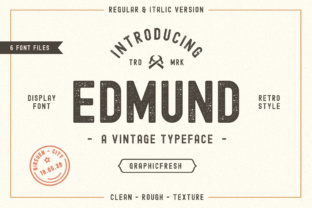
When you first see The Edmund, you notice the balance it strikes. It has personality without being loud, elegance without feeling fragile. The letterforms have a grounded, classic structure, but subtle details give it a hip, modern edge that works beautifully for today's handmade aesthetic. Think of the kind of typography you would find on a beautifully aged apothecary bottle, a boutique storefront window, or a high-end wedding welcome sign. That is the space The Edmund occupies.
The font comes in several styles, which opens up creative possibilities from the start. You can use one weight for a bold headline on a market sign and another for the supporting details on a product tag, all while keeping the visual identity cohesive. It looks striking at large scale, so it holds its own on wall art and signage, but it also performs well in body text, making it surprisingly versatile for a display font. For crafters who need a typeface that can adapt across different product types without losing its identity, this is a genuine asset.
Where The Edmund Shines in Handmade Products
If you create physical products, you know that typography is often the silent salesperson. The right font can make a simple candle label feel luxurious, or turn a basic greeting card into something people want to frame. The Edmund excels in several product categories that matter to handmade sellers.
Labels and Packaging That Tell a Story
Imagine a line of handmade soy candles with kraft paper labels. The scent name sits in The Edmund, printed in a warm ink tone, and instantly the product feels like it belongs in a curated gift shop. The font's vintage appeal pairs effortlessly with organic textures like cotton paper, linen ribbon, and recycled cardstock. For bath and body products, artisanal food items, or small-batch goods, this typeface adds a layer of perceived quality that helps justify premium pricing.
Invitations and Stationery With Lasting Impact
Wedding invitation designers and stationery creators will find a lot to love here. The Edmund brings a refined, romantic feel to invitation suites without drifting into overly delicate or hard-to-read territory. Use it for the couple's names on a wedding invitation, the header on a rehearsal dinner card, or the greeting on a baby shower invite. It prints beautifully on textured paper and holds up well in digital mockups, giving clients a clear preview of the finished piece. For save-the-date cards, envelope liners, and thank-you notes, the font keeps the entire suite feeling connected and thoughtfully designed.
Signage and Wall Art for Events and Homes
Large-scale projects are where The Edmund really gets to stretch its legs. Wedding welcome signs, seating charts, and directional signage benefit from the font's strong presence and readability at a distance. For printable wall art sold on Etsy or through a personal website, The Edmund can anchor a design with authority. A farmhouse-style kitchen print, a motivational quote for a home office, or a nursery name sign all feel more intentional when the typography carries this much character. The font's vintage undertones make it a natural fit for the popular modern farmhouse and cottagecore aesthetics that continue to resonate with buyers.
Apparel and Merchandise That People Want to Wear
Heat transfer vinyl projects, screen-printed shirts, and embroidered hats all depend on typography that reads clearly and looks stylish. The Edmund's clean structure makes it suitable for cutting with Cricut or Silhouette machines, and its distinct personality means a simple phrase like "Homegrown" or "Wildflower" on a tote bag becomes a statement piece. For small shops selling at weekend markets or through online platforms, having a recognizable font style across merchandise helps build brand recognition faster than a logo alone ever could.
Readability and Practical Considerations for Makers
Pretty fonts are everywhere, but a font that actually works for production is harder to come by. The Edmund balances decorative appeal with genuine readability, which matters when you are creating products that people need to read quickly and clearly. On product labels with small text areas, like lip balm tubes or spice jars, the font remains legible at reduced sizes, though it truly thrives in medium to large applications. For tiny stickers or intricate cutting machine projects, test the font at your intended size before committing to a full production run. The thicker weights tend to weed and cut more cleanly on vinyl, while the lighter styles may need a slightly larger scale to maintain crisp edges.
When preparing mockups for your shop listings, The Edmund photographs well. Its defined letterforms hold up in flat lays, lifestyle images, and close-up product shots without becoming muddy or losing detail. This is a practical advantage for sellers who rely on strong visual presentation to convert browsers into buyers.
Pairing The Edmund With Other Fonts
One of the most valuable skills a product creator can develop is knowing how to pair fonts effectively. The Edmund has enough personality to stand alone on a design, but it also plays nicely with complementary typefaces when you need hierarchy or contrast.
For a classic and timeless combination, pair The Edmund with a clean sans serif font for body text or secondary details. The contrast between the display font's vintage curves and a simple, modern sans serif creates a balanced look that works for wedding stationery, product labels, and branding materials. Think of The Edmund for the headline and a light, airy sans serif for the date, location, or ingredient list underneath.
If you want to lean into a more romantic or handcrafted feel, try pairing it with an expressive script font or a handwritten font. The Edmund's structured letterforms provide a steady anchor while the script adds warmth and movement. This combination is especially effective for greeting cards, invitation suites, and boutique-style product tags where an emotional connection matters.
For editorial-style designs, planner pages, or printable templates, pairing The Edmund with a simple serif font can create a sophisticated, bookish feel. The two serif-based typefaces complement each other without competing, giving your designs a cohesive and polished appearance that feels intentional and professional.
Exploring the Full Range of Styles and Features
The Edmund comes in several styles, which means you are not locked into a single look. Having multiple weights and variations within one font family gives you the flexibility to create depth in your designs without introducing unrelated typefaces. A bold style can anchor a product title, while a lighter or condensed version handles supporting text, all while maintaining visual harmony. Check the included styles when you download the font, and take time to explore any alternates, ligatures, or swashes that may be available. These extra characters can add custom flourishes to your designs that make them feel even more unique and handmade.
If you sell internationally or create products for a diverse customer base, look into whether The Edmund includes multilingual support and the specific file formats provided. Having access to extended character sets and the right file types for your design software can save time and frustration when you are working on client projects or preparing product listings.
Building a Recognizable Brand With The Edmund
When you use the same font consistently across your product line, packaging, social media graphics, and shop banners, customers start to recognize your work before they even see your logo. The Edmund's distinctive vintage style makes it memorable without being trendy or gimmicky. It carries a sense of heritage and care that aligns with the values many handmade sellers want to communicate: quality, authenticity, and attention to detail.
For printable product creators, using The Edmund in template designs gives buyers a polished, professional starting point. Whether you sell editable party invitations, planner inserts, or wall art printables, the font helps your products look cohesive and well-designed. Customers appreciate when a template feels complete and thoughtfully put together, and typography is a huge part of that impression.
A Quick Word on Commercial Licensing
Before you start selling products that feature The Edmund, make sure you have the appropriate commercial license. Selling physical products like printed cards, labeled candles, or screen-printed shirts typically requires a standard commercial license, but digital products, templates, SVG designs, and merchandise often need extended coverage. Read the license terms carefully, and if you plan to use the font across multiple product types or for client work, confirm that your license covers each intended use. Taking this step early protects your business and gives you peace of mind as you grow your product line.
The Edmund is more than a pretty typeface. It is a tool that helps handmade products feel elevated, intentional, and worthy of a customer's hard-earned money. From the first sketch to the final packaged product, the right font makes every step of the creative process more rewarding, and the end result more compelling. For crafters, makers, and small shop owners who care about the details, this is a font worth adding to the collection.